


The use of artificial intelligence (AI) by hotels is significantly enhancing the personalisation of guest experiences, a new report has found.
Personalisation has emerged as a key strategy in the global hotel industry as guests increasingly favour services that are tailored to their needs and preferences. GlobalData’s Key Trends in Lodging report notes that the demand for personalisation in the sector is growing significantly due to the rise of big data, while visitors to hotels increasingly want to be treated as individuals.
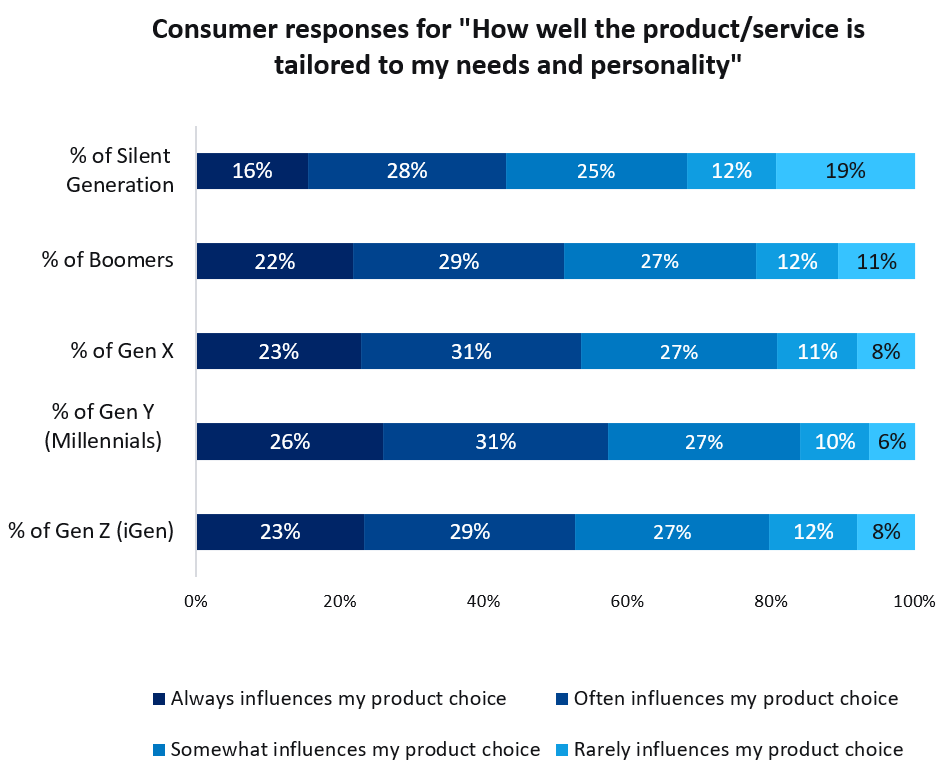
A GlobalData survey of consumers across 42 countries found that Gen Z and millennials are the most open to and the most influenced by products and services that are tailored to their needs and personality. 23% of Gen Z respondents and 26% of millennial respondents stated that how well a product or service is tailored to their needs “always influences their choice of product or service”. A further 29% of Gen Zers and 31% of millennials said it “often influences their choice.”
The age range 25-49 covers most of those two cohorts and accounted for 43% of all travel in 2024, showing the importance of tapping into this preference for personalised services. If hotel chains fail to do this, they risk losing out to competitors who do it, particularly those who do it effectively.
AI key to successful personalisation
Part of what makes AI systems so suited to personalisation is that they are adept at analysing vast data sets like historical booking patterns, guest preferences and real-time feedback. This can make it possible to provide services that cater to the specific needs of an individual.
The technology has facilitated the introduction of innovations like smart room customisations, which adjust the environment to suit a guest's comfort preferences, and AI concierges that offer bespoke dining and activity suggestions. These advancements have fundamentally altered the dynamic between hospitality providers and their guests.
Hyatt exemplifies the impact of AI on personalisation through its partnership with AWS. By utilising customer data, Hyatt has been able to recommend hotels that align with guests' profiles, taking into account factors such as socioeconomic status and online behaviour. A GlobalData survey of consumers across 42 countries reveals that 18% of respondents worldwide consider 'novel/unique' features 'essential,' and 43% view them as 'nice to have' when making a purchase. This consumer interest validates Hyatt's strategic pivot, which has led to an initial revenue increase of $40m in just six months.
Hyatt is not an isolated example. Navan is another company at the forefront of travel management, harnessing AI to hyper-personalise lodging experiences. Ava, Navan's personal assistant, provides travellers with customised options based on their requests and demands. This not only delivers a high degree of personalisation, but it also enhances efficiency for consumers by eliminating the need for extensive research. This plays well with a consumer base increasingly accustomed to, and demanding of, convenient solutions.
Nicholas Wyatt, global head of travel and tourism research at GlobalData, commented: “As AI becomes more embedded into consumers’ daily lives, the demand for personalised services will only grow. By and large, hotels are moving in the right direction in terms of offering a more customised experience, but some are making swifter progress than others. It’s critical that lodging providers grasp the importance of this because laggards in this theme are likely to lose ground to those who embrace personalisation and work with expert vendors to provide it.”