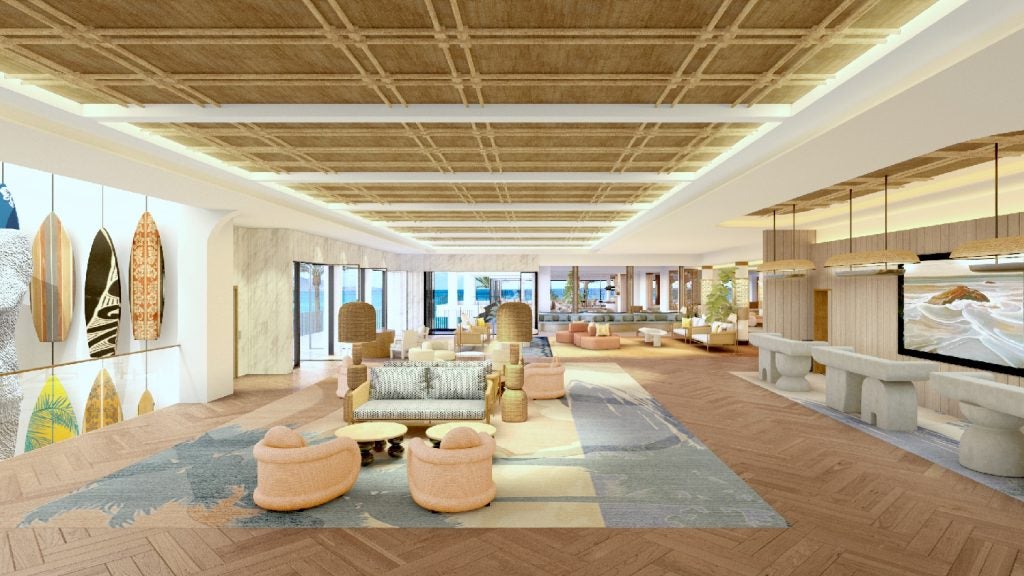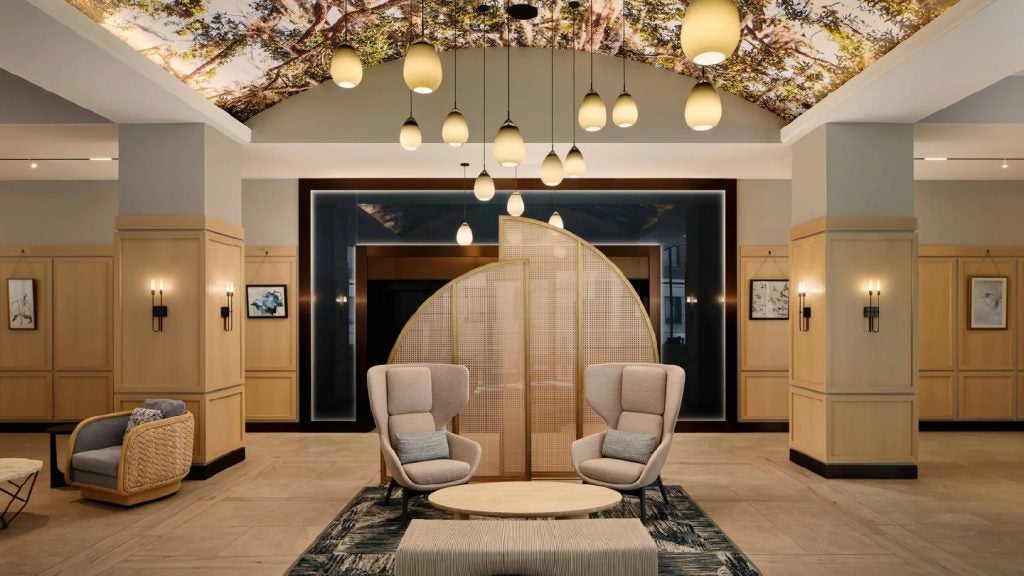

Hotels are adapting their offers as “calmcations” emerge as a notable travel trend for 2025 and 2026. The term, short for calm vacation, refers to slow, intentional and restful trips designed to reduce stress and burnout.
The concept is closely linked to slow travel, digital detox holidays and wellness-focused stays, where guests prioritise rest, simplicity and time in nature over activity-heavy itineraries.
Industry observers describe calmcations as a response to post-pandemic travel fatigue and increasingly busy lifestyles. The trend is particularly associated with Millennials and Generation Z, who are seeking what some reports describe as “emotionally nourishing” and affordable ways to travel.
The emphasis is shifting away from high-intensity sightseeing towards longer stays, quiet environments and minimal planning.
Slow travel reshapes hotel demand
A core feature of calmcations is slow travel, where guests stay longer in one destination instead of moving between multiple cities. This is influencing hotel booking patterns, with increased demand for extended stays and flexible arrangements.
Hotels in rural, coastal and remote areas are seeing stronger interest as travellers look for quieter settings. Rather than structured itineraries, guests are increasingly opting for what industry descriptions call “minimal plans” and more time to simply stay in one place.
Operators are responding by rethinking stay formats, with a greater focus on comfort, space and environment rather than activity-led packages.
Digital detox becomes a key expectation
Digital detox is another defining element of the calmcation trend. Travellers are increasingly seeking environments where they can disconnect from devices and reduce digital stimulation.
Some hotels are introducing low-tech or tech-light rooms, while others are encouraging offline experiences such as reading, walking and quiet reflection. The focus is on creating conditions for rest rather than entertainment.
Wellness services are also expanding in this area. Yoga, meditation and spa treatments are being positioned as part of broader restorative travel experiences, reflecting growing demand for mental wellbeing support during holidays.
Nature and sustainability drive choices
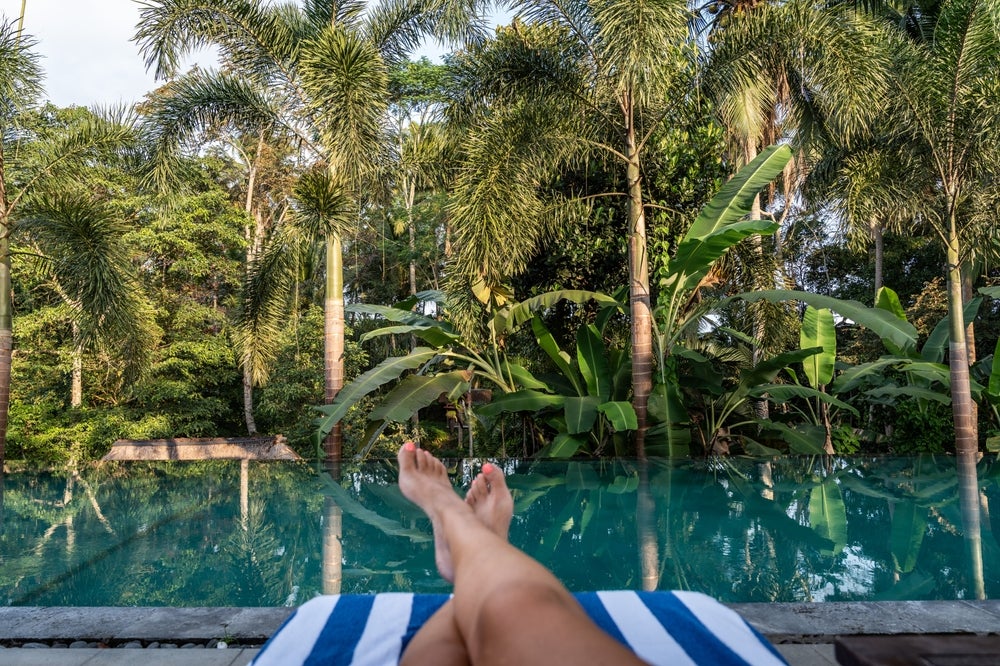
Access to nature is central to calmcations, with travellers prioritising forests, lakes, coastlines and other natural environments. Activities such as walking, wild swimming and simple outdoor leisure are increasingly common.
Eco-conscious travel is also playing a role. Guests are showing greater interest in sustainability, including local food, reduced environmental impact and low-energy operations. This is encouraging hotels to highlight environmental practices alongside location and comfort.
Reports suggest the trend is part of a wider shift towards what is sometimes described as “restorative” or “intentional” travel, where the aim is recovery rather than activity. For hotels, this is reshaping demand towards quieter, longer and more wellness-oriented stays.