
Spain’s Meliá Hotels International has unveiled a new strategy to tackle the hospitality staff shortage by partnering with Swiss institute Les Roches to develop a dedicated talent pipeline.
The “Meliá Future Talent Programme” aims to align education and recruitment, ensuring a steady flow of trained professionals into Meliá’s hotels and reducing reliance on the external labour market.
Building a tailored curriculum with industry focus
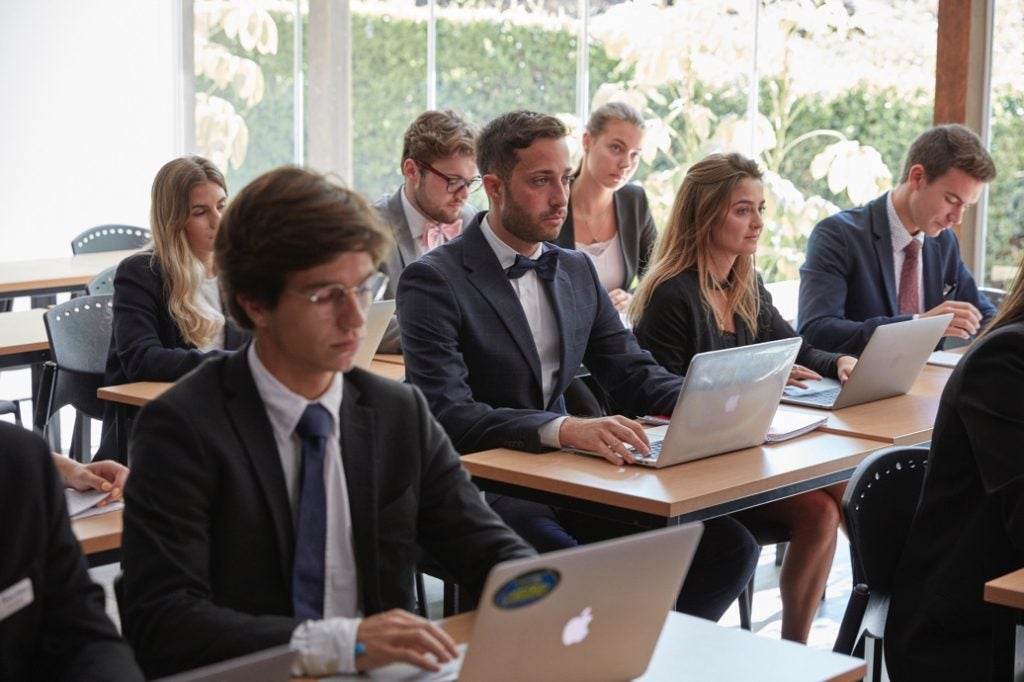
Under the agreement, Les Roches will design a bespoke curriculum across its bachelor’s, postgraduate and master’s programmes that reflects Meliá’s operating standards, values and sustainability goals.
Students enrolled in the programme will follow general hospitality training alongside Meliá-specific modules. During their studies, they will complete all professional internships exclusively within Meliá hotels worldwide.
On graduation, participants commit to a minimum three-year employment term with Meliá, contingent on performance and staffing needs.
Addressing staff shortages through internal development
The hotel sector globally is grappling with recurring labour shortages. In the U.S., 65 per cent of hotels continue to report staffing gaps, especially in housekeeping and front-desk roles.
Meanwhile, the World Travel & Tourism Council (WTTC) forecasts an 8.6 million shortfall in hospitality labour by 2035.
By investing in education and workforce development, Meliá aims to shift part of the burden from reactive hiring to proactive training.
The programme’s designers hope it will reduce turnover, shorten recruitment cycles, and help the group maintain service levels even amid tight labour markets.
Global reach and alignment with strategic goals
Meliá and Les Roches intend to set target profiles by nationality and geography, leveraging Les Roches’ admissions network across more than 100 countries to access diverse talent.
Meliá professionals will play a direct role in teaching the curriculum, bringing operational insights into the academic setting.
The programme is also accredited through Swiss and U.S. accreditation bodies, ensuring international standards are met.
In past years, Meliá has taken steps to mitigate staffing pressures through other means. For example, it purchased housing for seasonal workers in regions with rising rents to reduce attrition caused by accommodation constraints.
Observers note that aligning education more directly with employer needs is emerging as a strategic response across the hotel industry, rather than simply raising wages or relying on immigration.
As the hospitality sector continues to seek solutions for chronic labour gaps, Meliá’s education-to-employment model may serve as a test case for other hotel groups looking to stabilise staffing through long-term investment.