
Vietnam’s hotel industry is experiencing a significant recovery, driven by a sharp increase in international tourism and supportive government policies.
Nearly 14 million foreign visitors arrived in the first eight months of this year, helping occupancy rates and room tariffs recover to levels above those seen before the Covid-19 pandemic.
Experts note that this growth is concentrated in key urban and coastal destinations, where demand for quality accommodation is rising steadily.
Hotel occupancy rates climb in major cities
The country’s hotel sector is gradually returning to pre-pandemic levels, particularly in major cities such as Hanoi and Ho Chi Minh City.
Hanoi’s hotel occupancy is expected to surpass 78% this year, up from just 45% in 2022, signalling a full recovery in accommodation demand.
In Ho Chi Minh City, the total number of hotel rooms now exceeds 16,600, with an average occupancy rate of 61%, according to real estate research firm Savills.
Expansion continues, with new developments adding additional rooms to meet growing demand.
Recovery in hotel room rates and new openings
Average daily rates in Hanoi have rebounded strongly, potentially exceeding $111 this year, surpassing pre-pandemic peaks recorded in 2019.
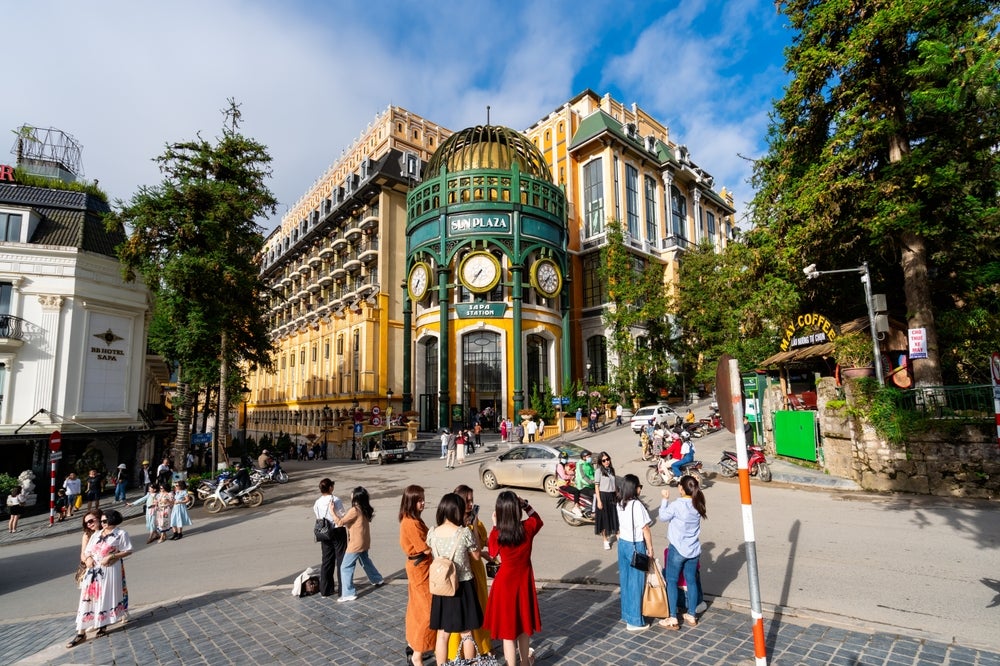
In Ho Chi Minh City and northern coastal areas such as Hai Phong, new hotels are opening with modern, energy-efficient facilities.
Da Nang has also seen recent investment, including the launch of a 45-storey hotel with 300 rooms, catering to the city’s increasing domestic and international visitor numbers.
These openings reflect broader investment trends in Vietnam’s hospitality infrastructure.
Challenges and opportunities for long-term growth
Despite the positive trends, the sector faces ongoing challenges. Road infrastructure remains limited, particularly outside major urban centres, which can affect visitor experience during peak seasons.
Operational costs and financing hurdles also present difficulties for smaller developers, while seasonality and global economic shifts create inconsistent revenue streams for resort properties.
Industry experts recommend that new projects focus on strategic locations, sustainable design, and authentic cultural experiences to ensure long-term stability and alignment with tourist preferences.
With continued growth in international arrivals, supportive tourism policies, and ongoing investment in infrastructure, Vietnam’s hospitality market is expected to maintain its upward trajectory.
Addressing infrastructure limitations and operational challenges will be key to sustaining this momentum and securing the country’s position as a leading tourism destination in Asia.