

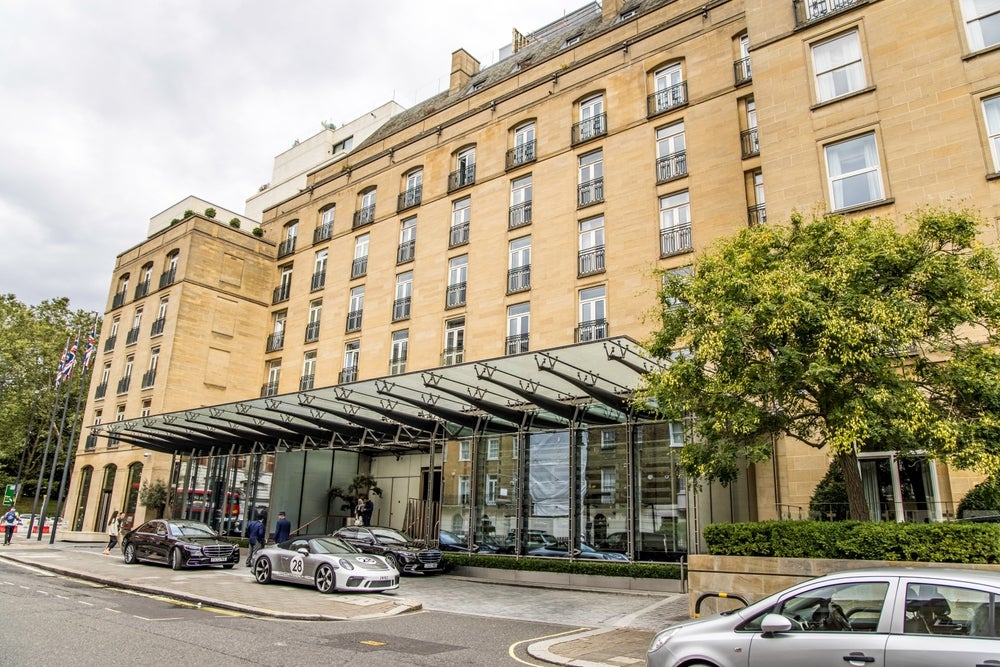
London’s high-end hotel market is heading into its heaviest period of new openings in more than a decade, raising fears that a wave of luxury room supply could outstrip demand and put pressure on prices in one of the world’s most expensive cities for hotel stays.
Analysts tracking the London hotel market say 2025 will bring the largest influx of luxury hotel rooms since 2014, with about 757 new five-star rooms due to open across the capital.
This comes on top of a broader increase of more than 5,300 hotel rooms across all segments added since the start of 2024.
The surge in projects follows several years of record room rates for London luxury hotels and strong recovery in international travel. But with more properties competing for high-spending guests, the risk of a short-term oversupply is now a central concern for owners, operators and investors.
Record pipeline of London luxury hotel rooms
London has long positioned itself as a global hub for five-star accommodation, attracting international brands to districts such as Mayfair, Knightsbridge, the City and along the Thames.
Industry data suggest the city’s stock of high-end rooms is on course to reach roughly 21,000 in 2025, supported by a forecast £4.5bn in hotel investment.
Recent and upcoming openings include flagship properties under brands such as Mandarin Oriental, Park Hyatt, Six Senses and Rosewood, alongside new lifestyle hotels and refurbishments of established addresses.
For developers and lenders, the logic has been clear: a tight luxury room supply after the pandemic and robust post-Covid travel demand made London luxury hotels look like a relatively safe bet.
That bet is now being tested. Research shared by one hotel analytics firm shows luxury room rates in London rose by more than 40 per cent between 2019 and 2023, far ahead of inflation and wage growth in many source markets.
Recent figures from Savills indicate that average rates in the top tier were up roughly 30 per cent from 2019 to mid-2024, before softening this year as new openings came on stream.
With many projects conceived in the recovery phase now completing at the same time, industry executives warn of a period of “indigestion” as the market absorbs the extra capacity.
Pricing pressure as demand normalises
Underlying demand for London hotels remains solid. The city welcomed about 17 million overnight visitors in 2024, outpacing Paris by around four million, according to data compiled for a recent report on the state of London luxury.
Luxury hotel occupancy has broadly returned to pre-pandemic levels at around 82 per cent, helped by strong spending from visitors from the United States, China and Gulf states.
Yet the balance between supply and demand is shifting. Knight Frank estimates that the addition of thousands of new rooms since early 2024 has already limited occupancy growth and led to a fall in average daily rates (ADR) across the capital.
London hotels in every segment have cut prices to stay competitive, contributing to a year-to-date fall in revenue per available room (RevPAR) of about 2.5 percentage points.
The luxury segment has felt the pressure most acutely. Knight Frank’s mid-2025 review found that ADR in London’s luxury hotels had fallen more than 7 per cent year-on-year in the second quarter, even as international arrivals from Asia and the Middle East edged higher.
While the city still commands some of Europe’s highest room rates, the combination of increased supply, cost-of-living pressures and currency swings is starting to erode the exceptional pricing power seen in the immediate post-pandemic rebound.
Another structural headwind is the UK’s decision to end VAT-free shopping for international visitors, which luxury groups say makes London less competitive against rival destinations such as Paris and Milan for high-spending travellers.
For London luxury hotels, any shift in high-end retail and tourism flows can quickly feed into booking patterns, length of stay and spend per guest.
Investors weigh long-term confidence against short-term risks
Despite the threat of luxury hotel oversupply in London, many investors remain confident in the city’s long-term fundamentals. London still leads Europe in the number of ultra-wealthy residents and continues to attract new high-net-worth visitors, supported by its cultural institutions, restaurant scene and global air links through Heathrow.
Large sovereign wealth funds and long-term capital are increasingly prominent in the ownership of trophy assets, a trend some market participants compare with Paris.
These investors can often afford to ride out downturns without cutting rates aggressively, which may support headline pricing for London luxury hotels even if occupancy comes under pressure.
For operators, however, the near-term picture is more complex. Higher staffing, energy and financing costs, combined with weaker ADR growth, are squeezing margins.
To protect rate integrity while filling a larger inventory of rooms, many are focusing on more granular revenue management, targeted discounting in off-peak periods and efforts to diversify demand beyond traditional corporate and leisure segments.
Consultants expect a more pronounced divide to emerge between top-performing London five-star hotels and under-invested or poorly located assets. Properties with strong branding, renovated product and diversified demand channels may be better placed to hold pricing as the oversupply works through the system.
By contrast, hotels that entered the cycle with high leverage or delayed capex may face tougher refinancing discussions and potential ownership changes if performance weakens.
In the wider UK hotel sector, transaction volumes have slowed amid higher interest rates and geopolitical uncertainty, but London continues to attract a disproportionate share of capital.
For global owners and operators, the question is not whether to be present in the London luxury hotel market, but how to navigate a period in which room supply is growing faster than demand.
Most analysts expect the city to absorb the current pipeline over time, helped by continued growth in international tourism and the relative scarcity of central development sites.
For now, though, luxury hotel oversupply looms over London, signalling a more competitive phase in a market that, until recently, could rely on robust demand to support ever-rising room rates.