
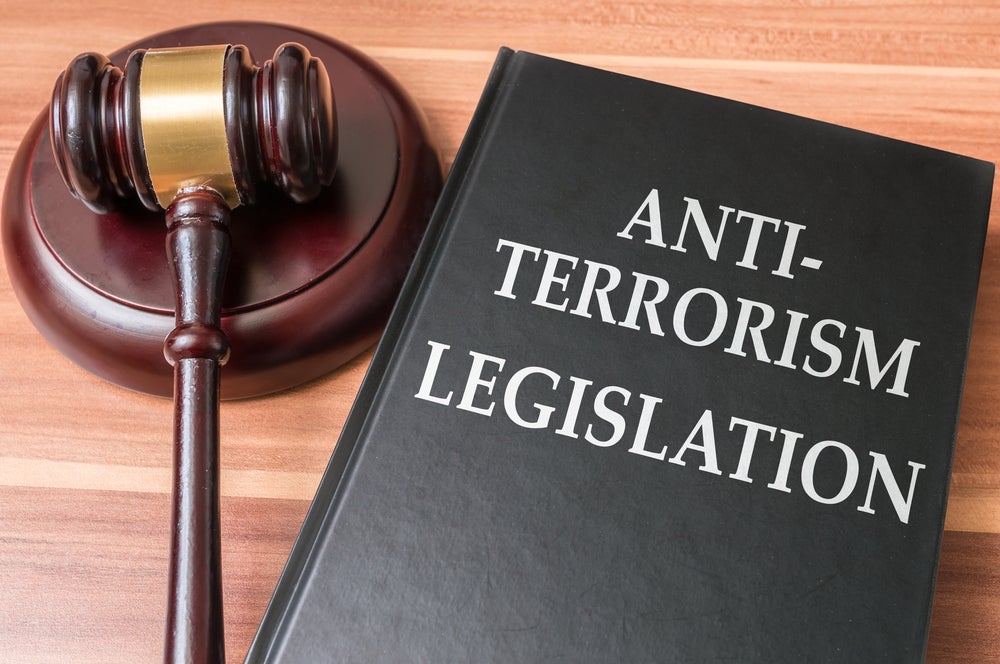
UK hotels are now gearing up for a seismic shift in security responsibilities under Martyn’s Law—the Terrorism (Protection of Premises) Act 2025.
Approved with Royal Assent on 3 April 2025, this landmark legislation establishes legally mandated measures for venues open to the public—including hotels—requiring preparations for terrorist threats and, in larger venues, enhancements to structural safety.
What hotel operators need to know
Who’s affected?
Any hotel that can reasonably expect 200 or more guests at once falls within the scope of this law. Hotels are divided into:
- Standard tier: premises with capacities from 200 to 799.
- Enhanced tier: premises accommodating 800 or more.
Standard tier requirements (200–799 guests)
Hotel operators must:
- Notify the Security Industry Authority (SIA) that they are the "responsible person" for the premises.
- Put in place public protection procedures—reasonable, documented emergency plans (e.g. evacuation, lockdown) designed to reduce physical harm in case of an attack.
- Provide basic staff training, ensuring employees can identify suspicious activity and execute emergency protocols.
Enhanced tier requirements (800+ guests)
Alongside standard-tier duties, these hotels must:
- Consider and implement physical protective measures—such as CCTV, bag searches, access control, or hostile vehicle mitigation where reasonably practicable.
- Document all procedures and measures, and submit that documentation to the SIA.
- Designate a senior responsible individual (e.g. a director or similar) to oversee compliance and decision-making.
Why this matters for hotels
- Hotel management will now bear a legal duty of care—failure to comply can lead to enforcement actions, including substantial penalties (potentially up to £18 million or a percentage of global turnover for larger operators).
- For large hotels hosting conferences, weddings, or events, the infrastructure investment—such as surveillance, access control, or guarded entry—could be considerable.
- Training becomes central: staff inductions and ongoing development must now include counter-terrorism awareness—spotting suspicious behaviour, knowing emergency responses, and maintaining vigilance ("see, check, notify").
- A culture of safety will be crucial—guests must be reassured, not alarmed, and procedures need to be seamlessly integrated into guest experience, rather than obtrusive.
The timeline & support during the transition
Although the Act received assent in April 2025, enforcement is not immediate. There is a 24-month implementation period—meaning that obligations begin no earlier than April 2027.
During this transition:
- The SIA is establishing its new regulatory role, and will eventually enforce compliance, offer operational guidance, and conduct inspections.
- The Home Office will issue statutory guidance to help duty holders—like hoteliers—understand what is appropriate and “reasonably practicable” in their specific context.
- The ProtectUK platform and GOV.UK site already provide helpful tools, checklists, and factsheets tailored to standard and enhanced requirements.
- No need for external consultants: the guidance is designed to enable hotels to assess compliance in-house according to their own circumstances.
What hotels should do now
- Assess capacity patterns: Determine whether your hotel ever meets the 200-guest or 800-guest thresholds at peak times.
- Identify a responsible person today—and begin familiarisation with the law’s requirements.
- Draft or review your emergency plans (evacuation, lockdown, communication)—ensure they’re documented and tailored to your layout and guest profile.
- Plan staff training modules to include counter-terror awareness, and practice drills.
- Audit existing physical security—CCTV, controlled entry points, guest screening, and consider enhancements aligned with enhanced-tier expectations if relevant.
- Monitor updates via GOV.UK and ProtectUK to stay ahead as guidance evolves.
- Balance security with hospitality: keep guest experience welcoming while integrating visible—but not intrusive—safety features.
The takeaway
Martyn’s Law introduces a pivotal change to how hotels approach security—not merely as a checklist, but as a formal duty backed by law.
With the two-year runway, hotel operators have a critical window to build robust, proportionate security frameworks that protect guests, staff, and reputation—all while upholding the highest standards of hospitality.