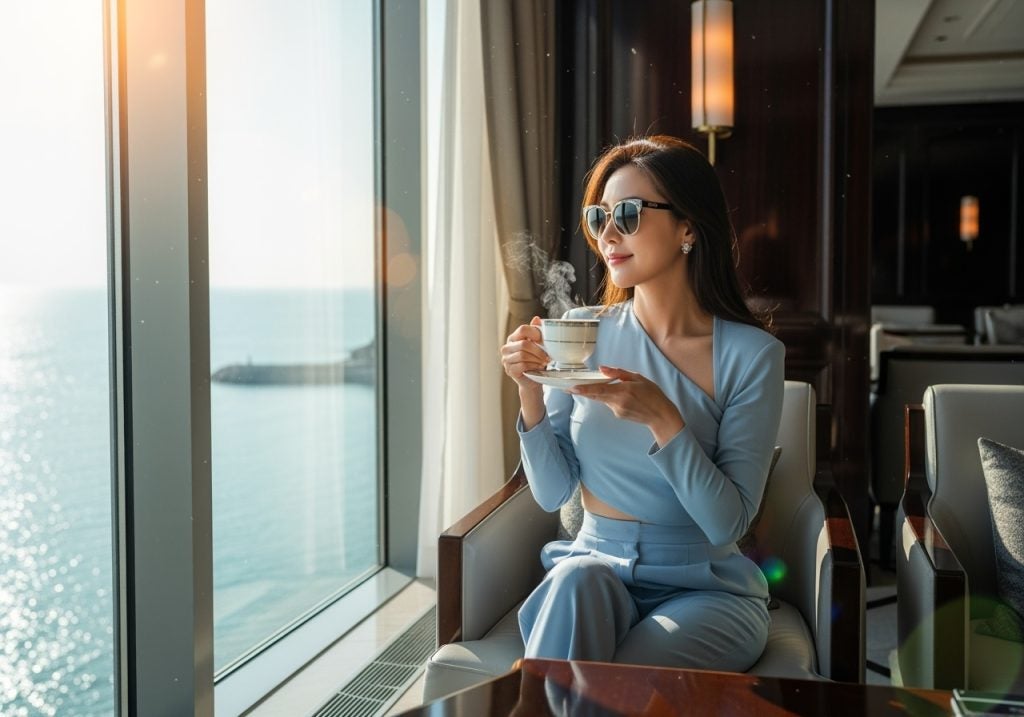
High-net-worth women are fuelling a sharp rise in luxury solo travel, with new reporting and industry data pointing to a clear shift in who is booking premium, independent trips and why.
A fresh analysis published today highlights affluent women choosing solo itineraries for autonomy, wellbeing and cultural immersion, while luxury agencies say women now dominate the solo category.
Who is travelling and why
Virtuoso’s 2025 luxury travel trends indicate women account for the majority of solo travellers, with advisers reporting a strong showing among over-50s pursuing purposeful, restorative trips.
Reasons range from scheduling freedom to a preference for curated experiences that do not depend on a partner’s availability.
Recent features and trend reports suggest the pattern spans both leisure and “self-care” breaks, often centred on wellness, food, art and nature.
How the industry is responding
Travel providers are retooling offers as solo demand grows.
Cruise lines and tour operators have expanded single-occupancy cabins, waived or reduced single supplements at select times, and created social programming that preserves independence while offering low-pressure ways to meet others.
Hotels and luxury operators are emphasising safety, staffed experiences and small-group day tours tailored to independent guests.
Mainstream outlets report the surcharge gap narrowing as solo travel becomes a profitable segment in its own right.
Destinations and spending trends
Editors and agencies tracking premium travel cite Europe’s cultural capitals, Japan, Morocco and parts of North America as consistent draws for solo women who value walkability, dining and museum access, alongside structured adventures such as safaris or expedition cruising.
UK travel companies report that older women now account for a growing share of solo bookings into 2026, signalling durable demand through shoulder seasons and beyond.
This dovetails with luxury market commentary that wealthy travellers are prioritising distinctive, experience-led itineraries over traditional status purchases.