
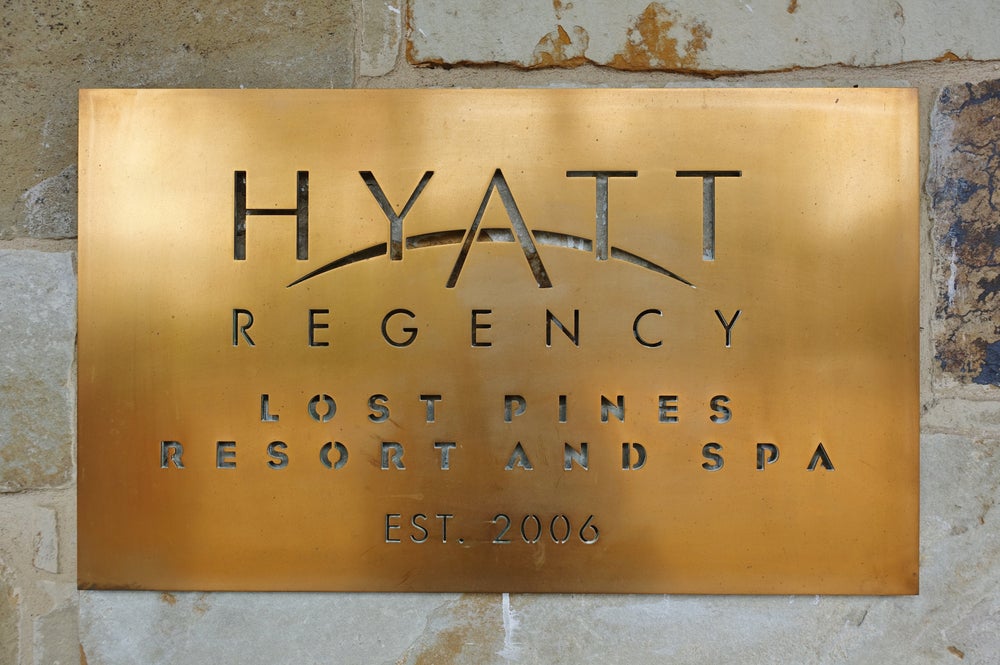
A $1.25m settlement has been agreed between Hyatt Corporation and the Texas Attorney General’s office over online hotel pricing practices that were alleged to mislead consumers.
The civil agreement, announced on 30 December 2025, resolves claims that Hyatt violated consumer protection rules by marketing hotel rooms at headline rates that did not include all mandatory charges.
The settlement is part of a broader regulatory focus on hotel price transparency and the disclosure of mandatory resort fees in online room bookings. Hyatt’s case marks a continuation of enforcement efforts targeting “drip pricing” practices in the hotel sector.
Allegations and terms of settlement
The Texas Attorney General, Ken Paxton, filed a lawsuit against Hyatt in 2023, asserting that the global hotel company violated the Texas Deceptive Trade Practices Act by failing to show all fees upfront when consumers searched for room rates online.
At issue were mandatory charges added to the cost of a stay — including resort fees, destination fees or amenity fees — that were only disclosed later in the booking process.
The agreed settlement requires Hyatt to disclose all mandatory fees clearly in its pricing, so consumers can compare total room costs before completing a reservation.
The terms are intended to curb practices that could give an unfair advantage to companies obscuring fee disclosures compared with competitors that show total prices upfront.
Paxton said that consumers should not be misled by hidden charges and that companies will face penalties if they fail to comply with pricing transparency standards.
Context of enforcement trend in the hotel industry
The Hyatt settlement is the sixth reached by the Texas Attorney General in recent years on similar pricing issues involving online hotel reservations.
Previous agreements have involved major hotel groups and booking platforms, including Marriott, Choice Hotels, Hilton, Omni and Booking.com.
These cases reflect growing scrutiny from state regulators and consumer advocates on practices often described in industry reporting as “junk fees” or hidden resort fees — mandatory charges not immediately visible in initial advertised rates.
The trend aligns with broader legislative and regulatory attention in the United States on pricing transparency, including federal rulemaking aimed at requiring total cost disclosure before booking and state laws targeting deceptive advertising practices.
Implications for hotel pricing and online booking
For the hotel sector, the settlement reinforces expectations that pricing must be transparent and include all mandatory components at the point of search and sale.
Operators and online travel agencies are under pressure to avoid drip pricing structures that lead consumers to see different rates only at booking completion.
Industry stakeholders worldwide are watching such enforcement actions as examples of how consumer protection laws are being applied to digital distribution and how regulatory trends may shape pricing practices in hospitality.