
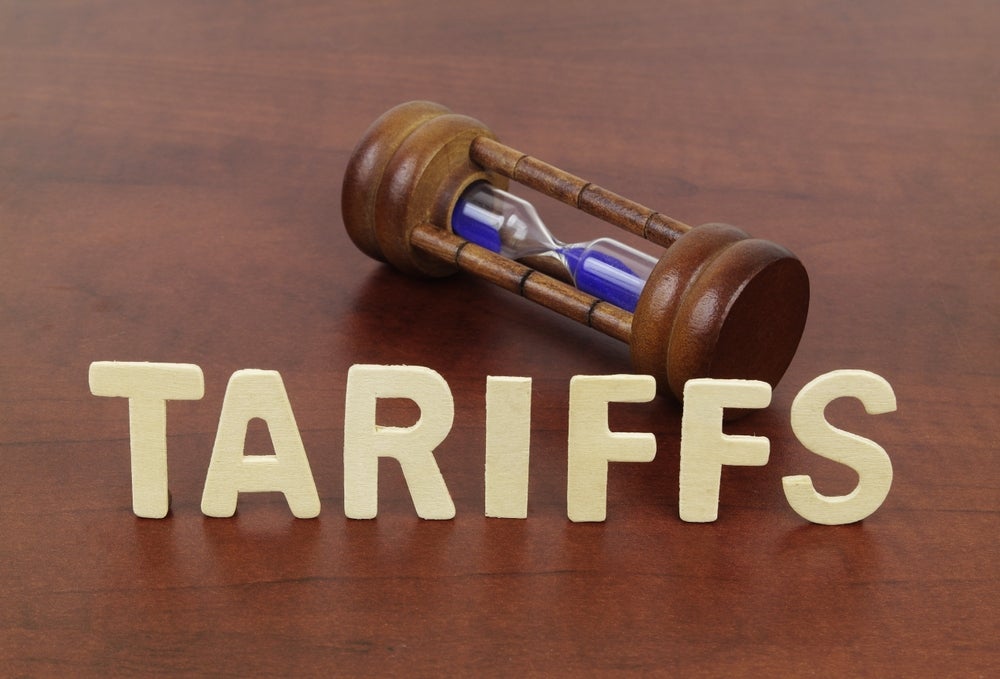
The US hotel industry has responded positively to President Donald Trump’s decision to postpone planned increases in import tariffs on upholstered furniture, kitchen cabinets and bathroom vanities, a move that affects hotel renovation costs and capital expenditure planning.
The tariff hike, initially set to take effect on 1 January 2026, was postponed for one year as part of ongoing trade negotiations with key partners. The existing 25 per cent tariff will remain in place while discussions continue.
Hotel owners association applauds tariff delay and highlights cost pressures
The Asian American Hotel Owners Association (AAHOA), representing a large share of U.S. independent hotel owners, said the tariff delay offers crucial breathing room for operators facing rising costs.
Furniture, fixtures and equipment account for a significant share of renovation budgets across the sector.
AAHOA’s statements underscored that sudden increases in tariffs risk disrupting property improvement plans, brand-mandated renovations and new development projects, particularly for smaller operators.
AAHOA Chairman Kamalesh “KP” Patel described the postponement as “pivotal” for entrepreneurs reinvesting in their properties and supporting local economies.
AAHOA’s President and CEO, Laura Lee Blake, added that price stability on imported furnishings helps hoteliers plan investment and maintain service continuity.
Background: trade policy and tariff adjustments on wood products
The tariff adjustment stems from a White House proclamation under Section 232 of the Trade Expansion Act of 1962, which empowers the president to impose duties on imports deemed a threat to national security.
In late 2025, the administration had applied tariffs on softwood lumber and derivative products, and signalled increases on certain wooden furniture items, kitchen cabinets and vanities.
However, the planned increases — which would have raised duty rates on these goods — are now deferred to allow further negotiations with trading partners.
Officials have cited trade reciprocity and national security concerns with respect to wood products as reasons for the original tariff schedule, but recent developments indicate a decision to prioritise negotiation and avoid abrupt cost escalation in the hotel and construction supply chains.
Implications for procurement, investment and supply chain planning
For hotel investors, asset managers and procurement teams, the delay in tariff increases on imported furniture and fixtures may ease short-term pricing pressures as the industry heads into 2026.
Furniture and cabinetry often represent a significant portion of renovation expenditure, and tariff volatility can directly affect refurbishment costs and timing.
Industry stakeholders are likely to watch ongoing trade discussions and potential future tariff adjustments closely, as outcomes could influence global sourcing, supplier negotiations and long-term capital investment strategies.
AAHOA has indicated it will continue engaging with policymakers to ensure trade policy balances national priorities with the economic realities facing hotel owners.