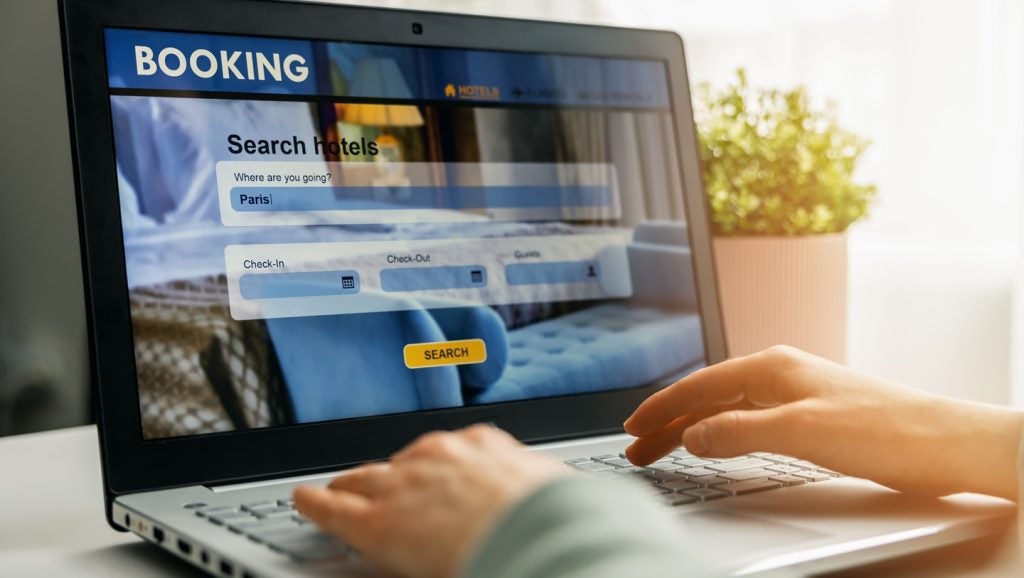

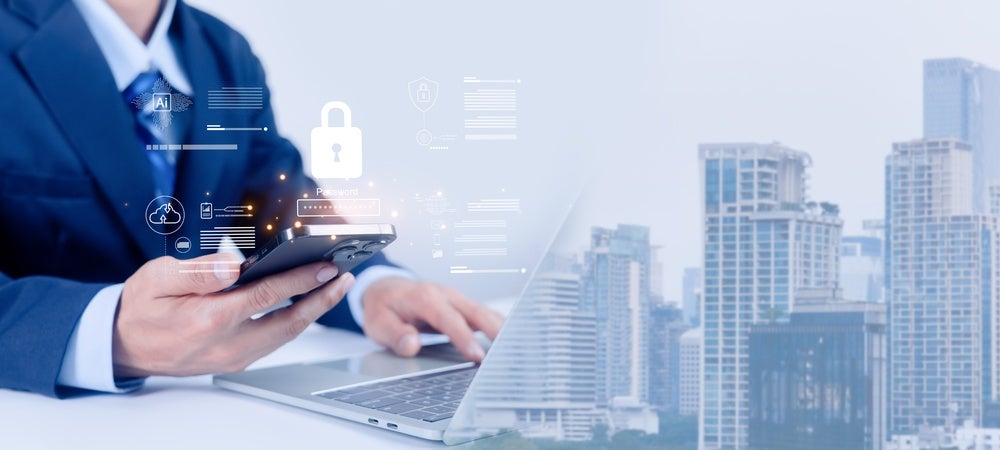
Hotel guest data protection has become a central concern for the global hospitality industry. Hotels now handle large volumes of sensitive information, including passport details, payment cards, contact records, and booking histories.
At the same time, cyber threats targeting hotels are increasing in frequency and complexity. This combination has made data privacy and cybersecurity a core operational risk, not just an IT issue.
Search demand for topics such as hotel data security, guest data protection, hospitality cyber threats, and GDPR compliance hotels continues to grow. This reflects rising awareness that a single data breach can damage trust, disrupt operations, and lead to significant regulatory penalties.
Why guest data is a prime target for cyber attacks
Hotels are attractive targets for cybercriminals because they store high-value personal and financial data in one place.
Unlike many industries, hospitality businesses operate across multiple systems, including property management platforms, booking engines, payment processors, and third-party applications. Each connection increases the potential entry points for attackers.
One of the most common threats is ransomware. In these attacks, cybercriminals lock hotel systems and demand payment to restore access. This can halt reservations, check-ins, and billing processes, causing immediate operational disruption. Even short outages can result in lost revenue and reputational harm.
Phishing attacks also remain widespread. Staff members are often targeted through emails that appear legitimate but are designed to steal login credentials. Once attackers gain access, they can move through hotel systems and extract guest data without detection.
Hotels are also exposed through their reliance on external technology providers. Booking platforms, payment gateways, and Wi-Fi service providers are often integrated into core systems. If any partner experiences a breach, guest data can be exposed indirectly.
Key vulnerabilities in hotel data security
Several structural weaknesses make hotels particularly exposed to cyber risks.
A major issue is inconsistent access control. High staff turnover and seasonal hiring mean that user accounts are frequently created and deactivated. In some cases, former employees may still have access to systems, increasing the risk of unauthorised entry.
Outdated technology is another concern. Many hotels still operate legacy systems that were not designed for today’s cybersecurity environment. These platforms may lack modern protections such as encryption, multi-factor authentication, or automatic security updates.
Network security is also a common weak point. Guest Wi-Fi is often not properly separated from internal operational systems. This can allow attackers to move between networks if they gain access through unsecured connections.
Human error continues to play a significant role in security incidents. Weak passwords, accidental sharing of sensitive documents, and failure to follow security procedures are still common causes of data exposure. Even strong systems can be compromised if staff awareness is low.
Regulatory requirements add further pressure. Under data protection laws such as UK GDPR, hotels must ensure personal data is processed securely and responsibly. Failure to comply can result in fines and formal investigations, especially following a breach.
Practical steps hotels can take to strengthen protection
Improving hotel cybersecurity requires a layered approach that combines technology, processes, and people.
Strong identity and access management is a priority. Hotels should ensure staff only have access to the systems they need for their role. Multi-factor authentication should be used across all critical platforms to reduce the risk of unauthorised access.
Data encryption is essential. Guest information should be protected both when stored and when transmitted between systems. This makes stolen data far less usable to attackers.
Network segmentation is another effective safeguard. Separating guest Wi-Fi from operational systems limits the spread of potential attacks and protects internal hotel infrastructure. Payment systems, in particular, should always be isolated and tightly controlled.
Staff training is equally important. Employees should be able to recognise phishing attempts and understand how to handle guest data securely. Regular training sessions help reinforce good practice and reduce the risk of human error.
Hotels should also maintain a clear incident response plan. This outlines how the organisation will respond to a cyber attack, including communication procedures, system recovery steps, and regulatory reporting requirements. A well-prepared response can significantly reduce disruption.
Finally, regular security audits and testing help identify vulnerabilities before they are exploited. Penetration testing and system reviews provide a realistic assessment of how well hotel systems can withstand modern cyber threats.
Building long-term resilience in hospitality data protection
Guest data protection is no longer a background technical issue. It is a fundamental part of running a modern hotel. Cyber threats are evolving quickly, and attackers are increasingly targeting industries that rely on large volumes of personal data and interconnected systems.
Hotels that take a proactive approach to cybersecurity are better positioned to maintain guest trust, meet regulatory obligations, and protect operational continuity. This requires ongoing investment, consistent staff awareness, and regular system review.
In a digital hospitality environment, strong data privacy and security practices are not just about compliance. They are central to long-term business stability and competitiveness.